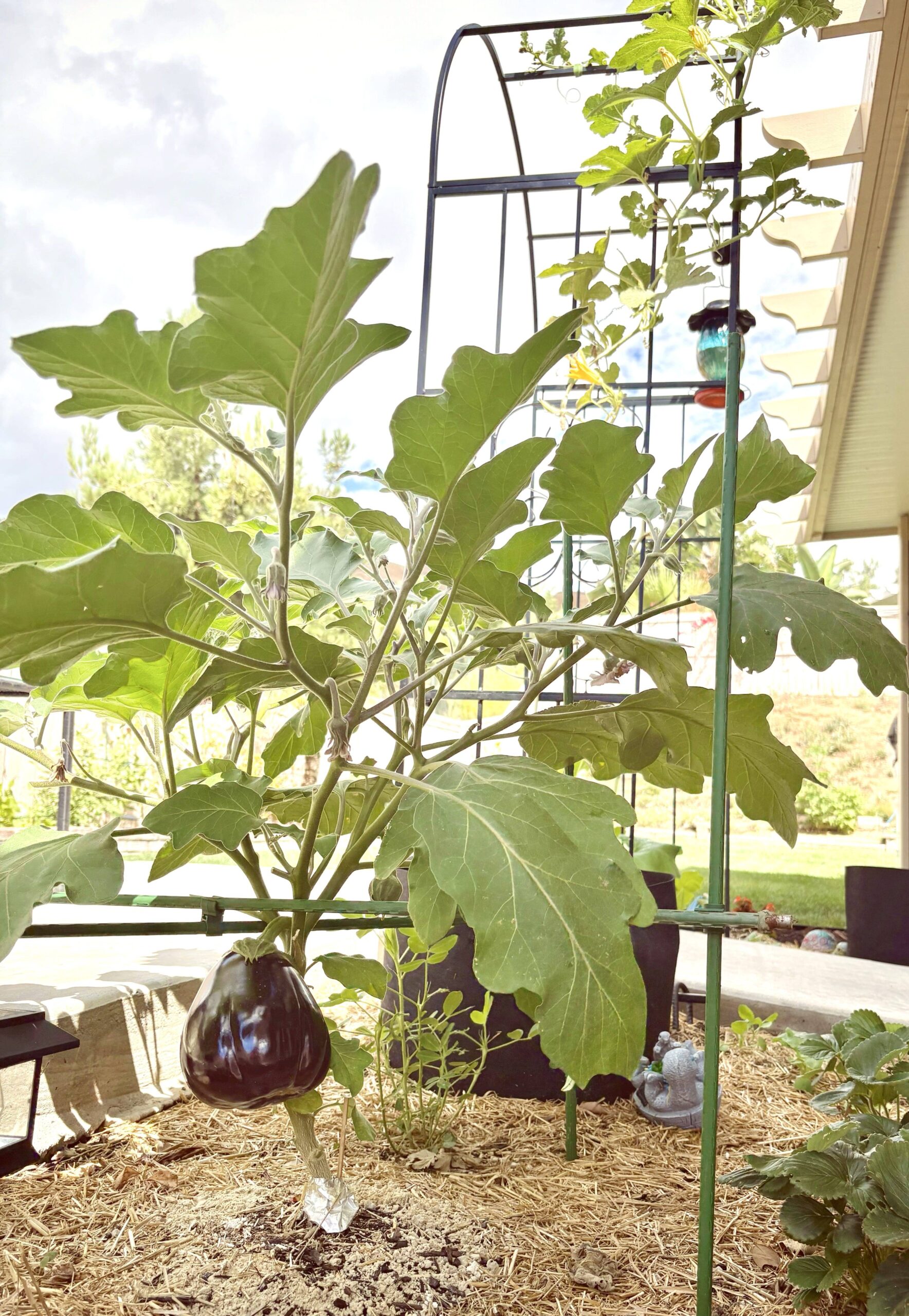
I started gardening in March with no experience. I thought I’d learn how to grow plants. It turned out to be more about building systems that make plants grow.
By the end of the season, the biggest shift wasn’t yield or technique. It was how I think about the work. Soil, water, layout, timing, and decisions matter more than any single plant. Once those systems are in place, plants either fit into them or fail quickly and teach you something.
This article is a summary of that first year: the environment I started with, the mistakes I made, the systems I built in response, and what those systems are teaching me.
Starting Environment
These were the constraints I began with.
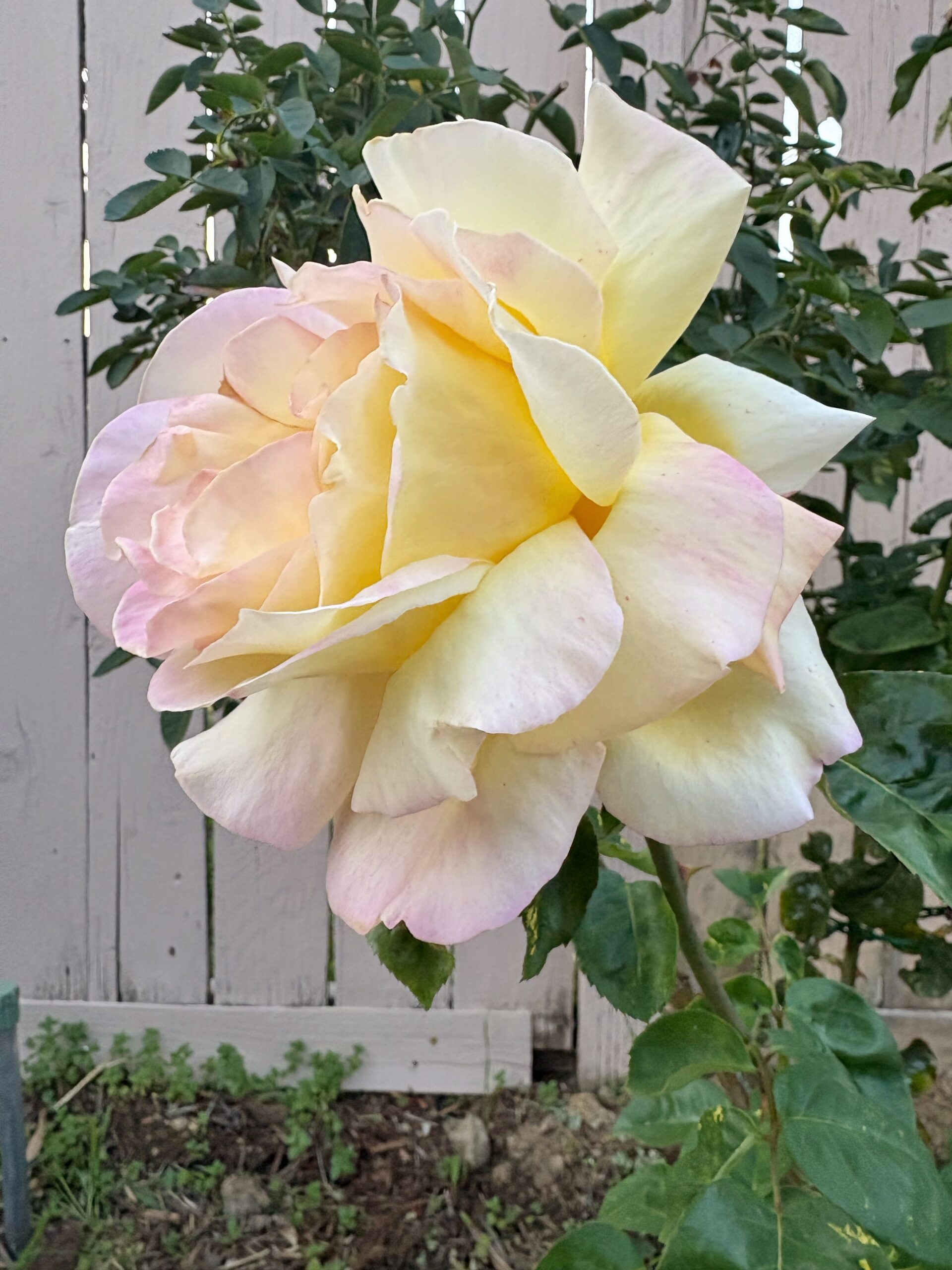
- Existing plants: roses, strawberries, a dwarf palm, succulents, gazania
- Sandy, rocky native soil in planting areas
- Spray-head sprinklers on a smart irrigation system
- Bare soil patches and native weeds in planters and on the slope
- Water-logged and compacted lawn areas
- Moss and algae along concrete edges
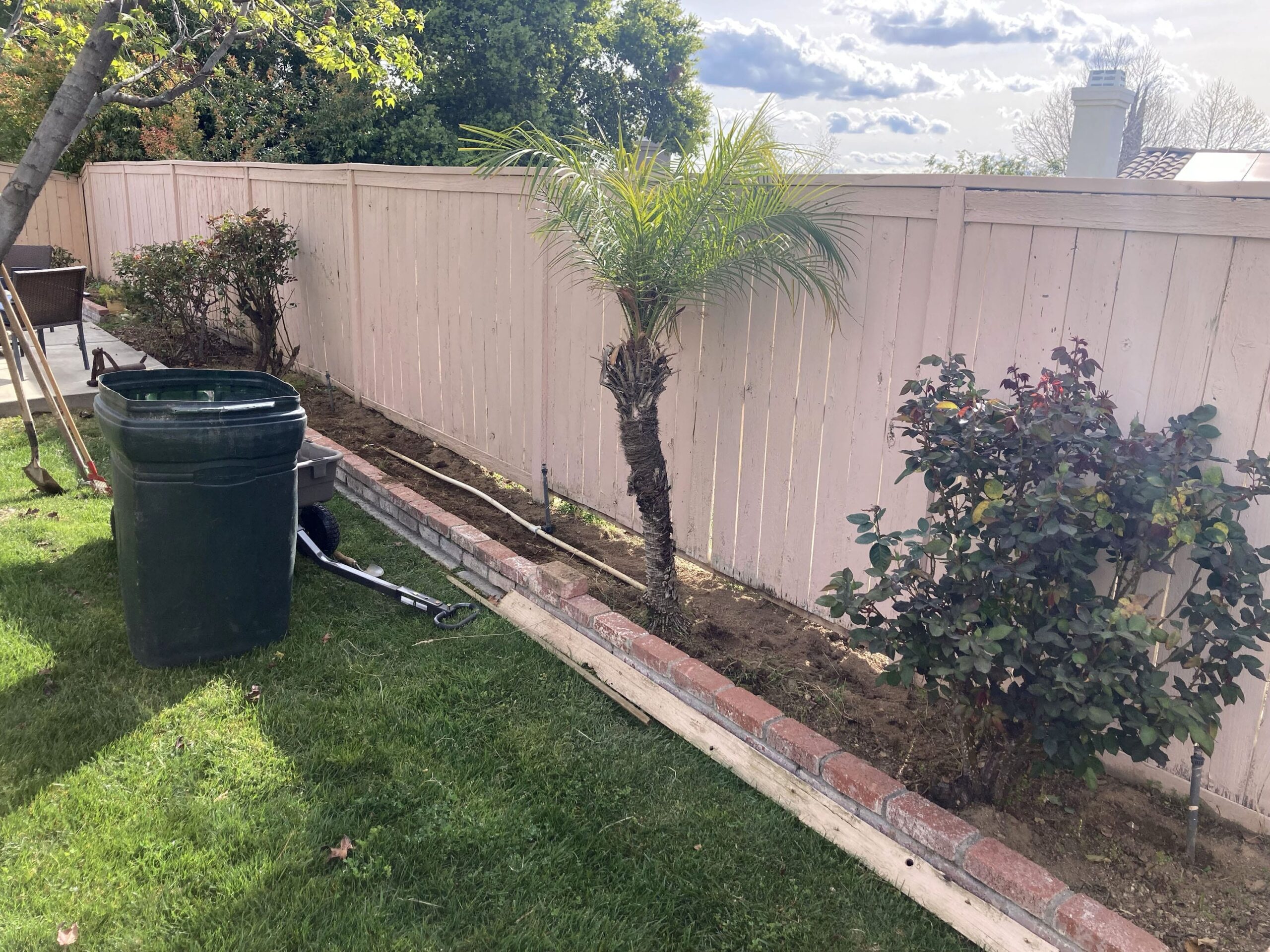
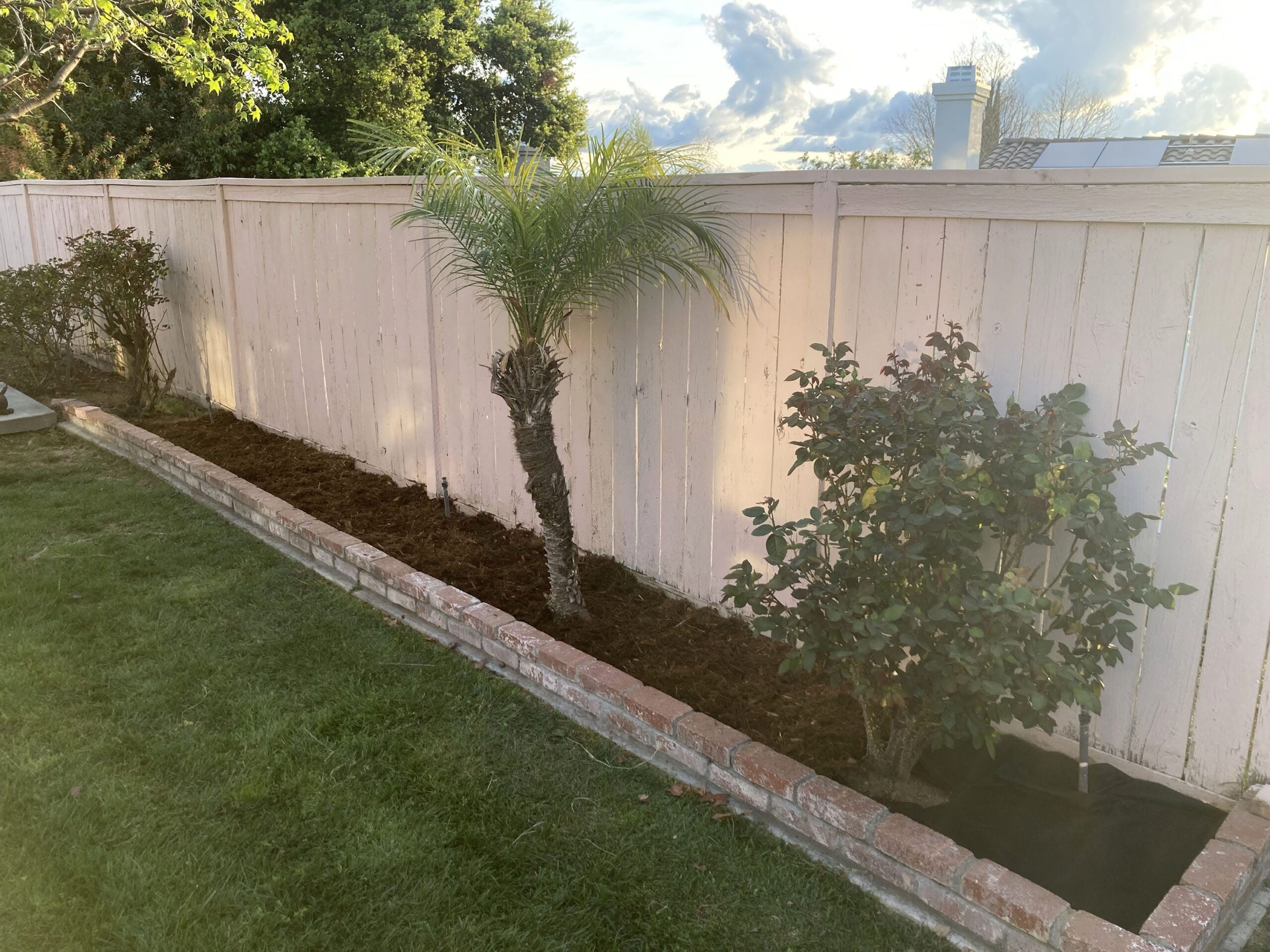
One of my first projects was removing weeds, burying exposed PVC, laying landscape fabric, and covering everything with cedar chip mulch. This was mostly aesthetic.
I didn’t yet understand what actually mattered for healthy soil or plants.
Early Results and Red Flags
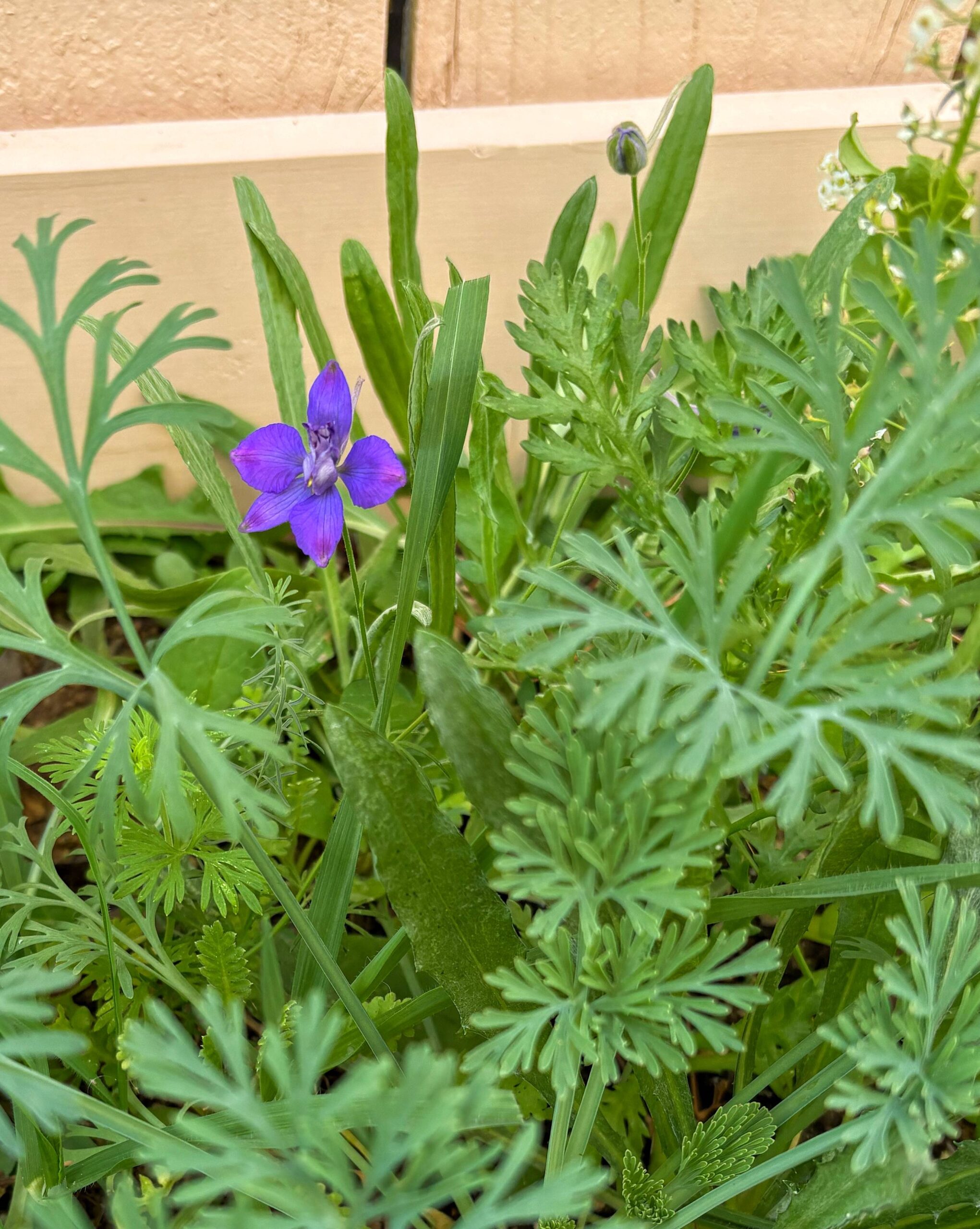
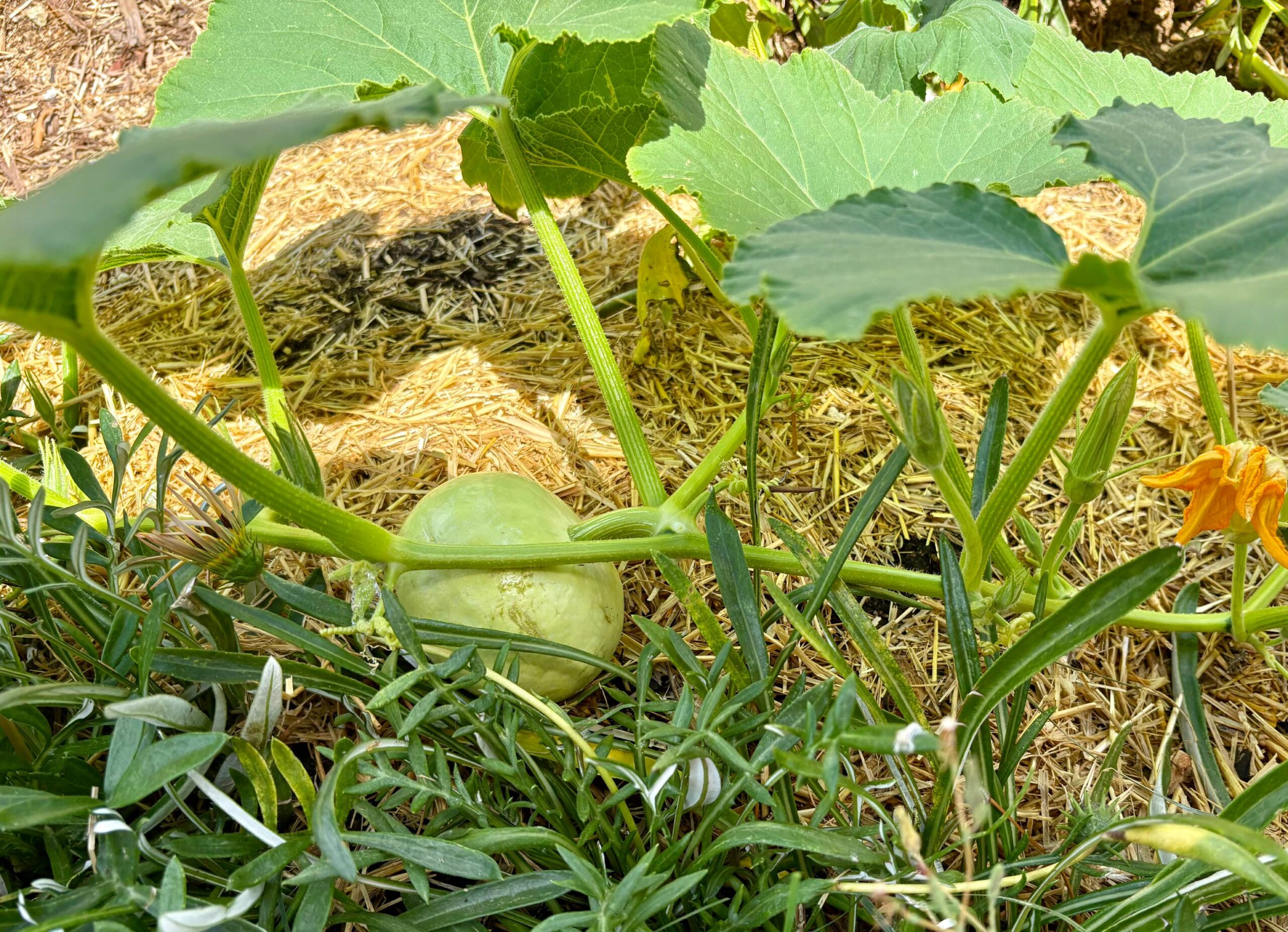
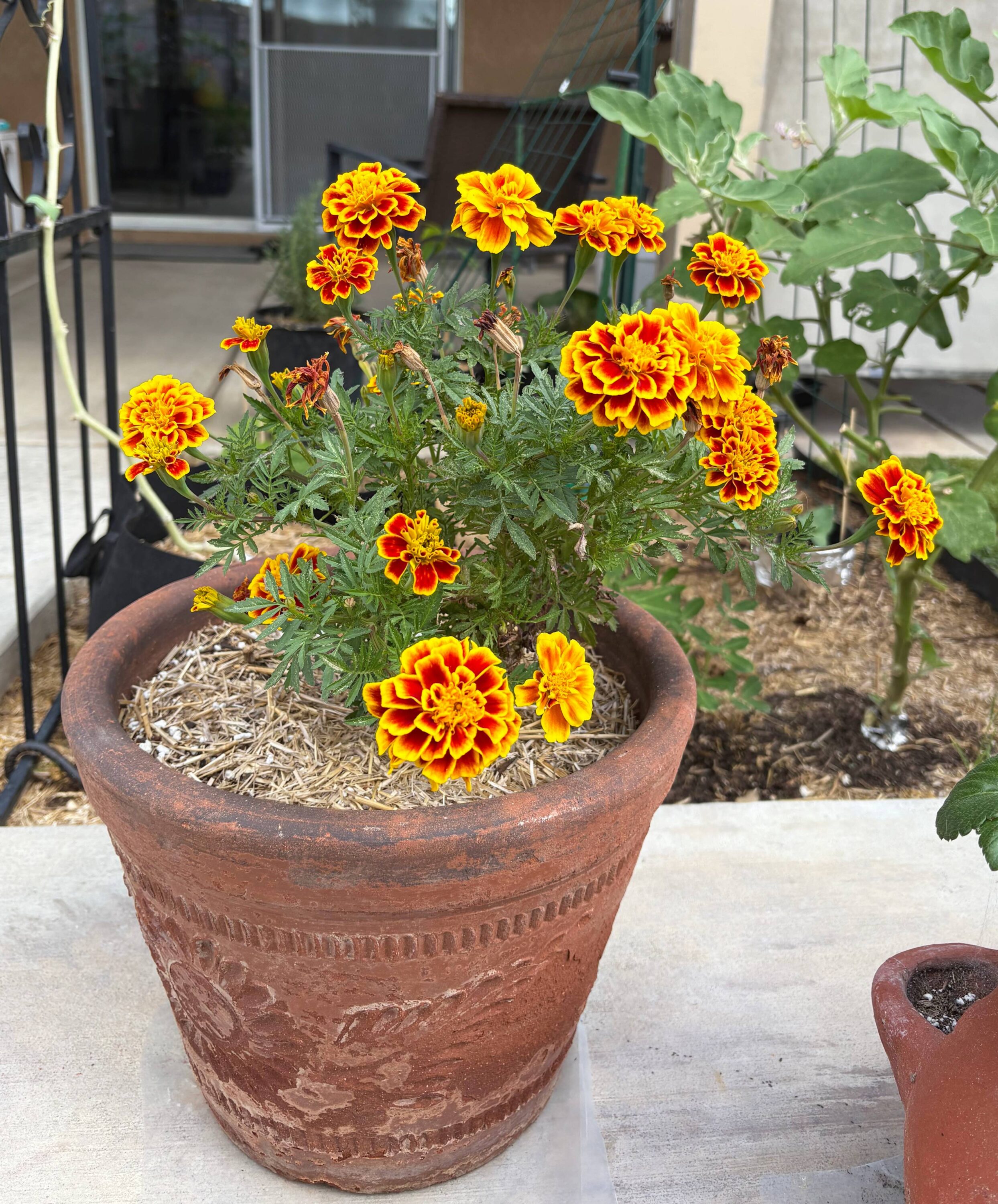
Some of the first in-ground plants were flowers, peppers, and tomatoes. From seed, I planted marigolds, cucumbers, green beans, pumpkin, corn, and others.
Almost everything germinated. That felt encouraging. But many plants stalled early and stayed small.
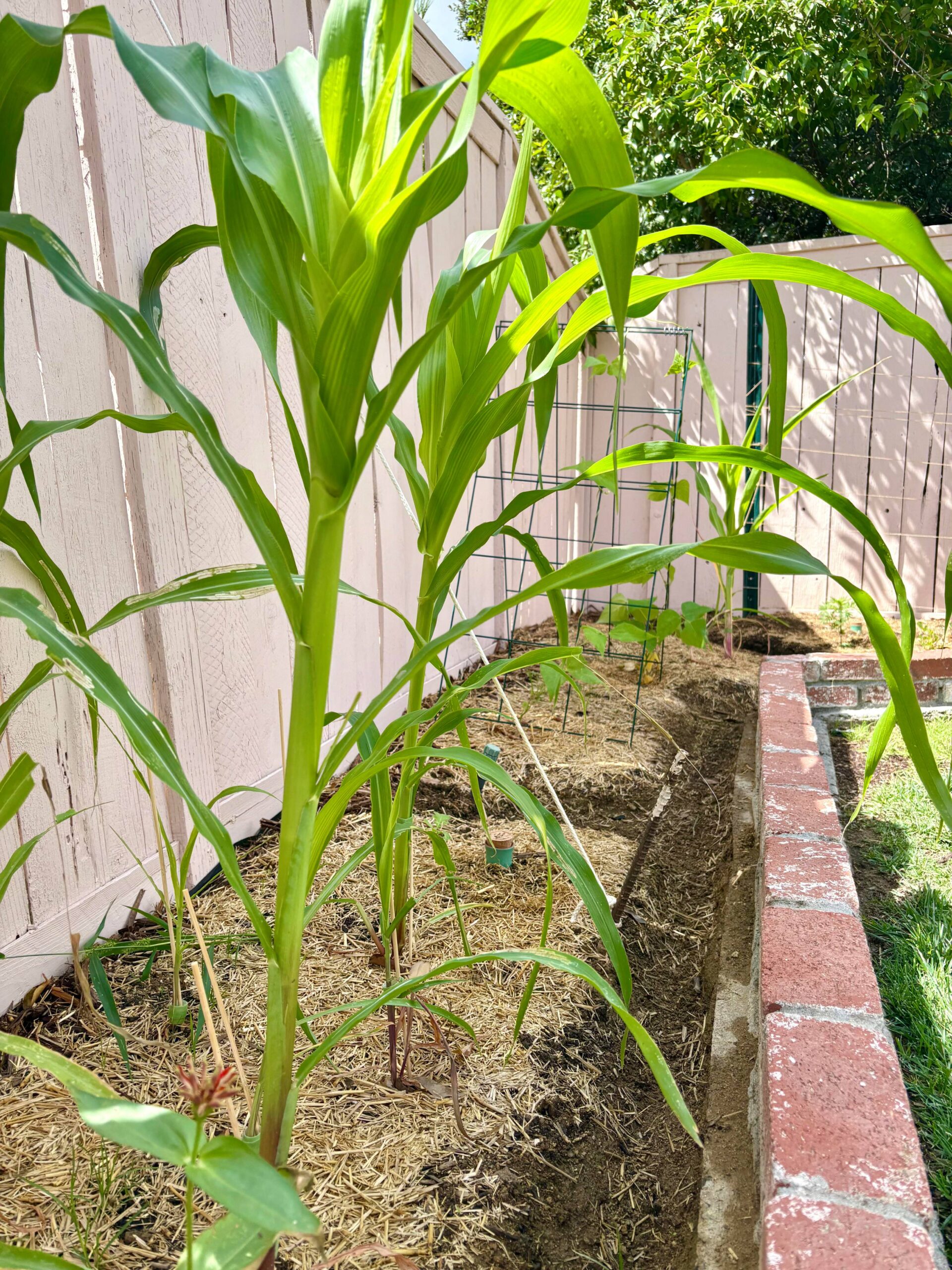
Growth rates varied wildly. Of a dozen corn planted together, three grew over six feet, a few reached three feet, and the rest barely cleared one. The harvested cobs had very few kernels.
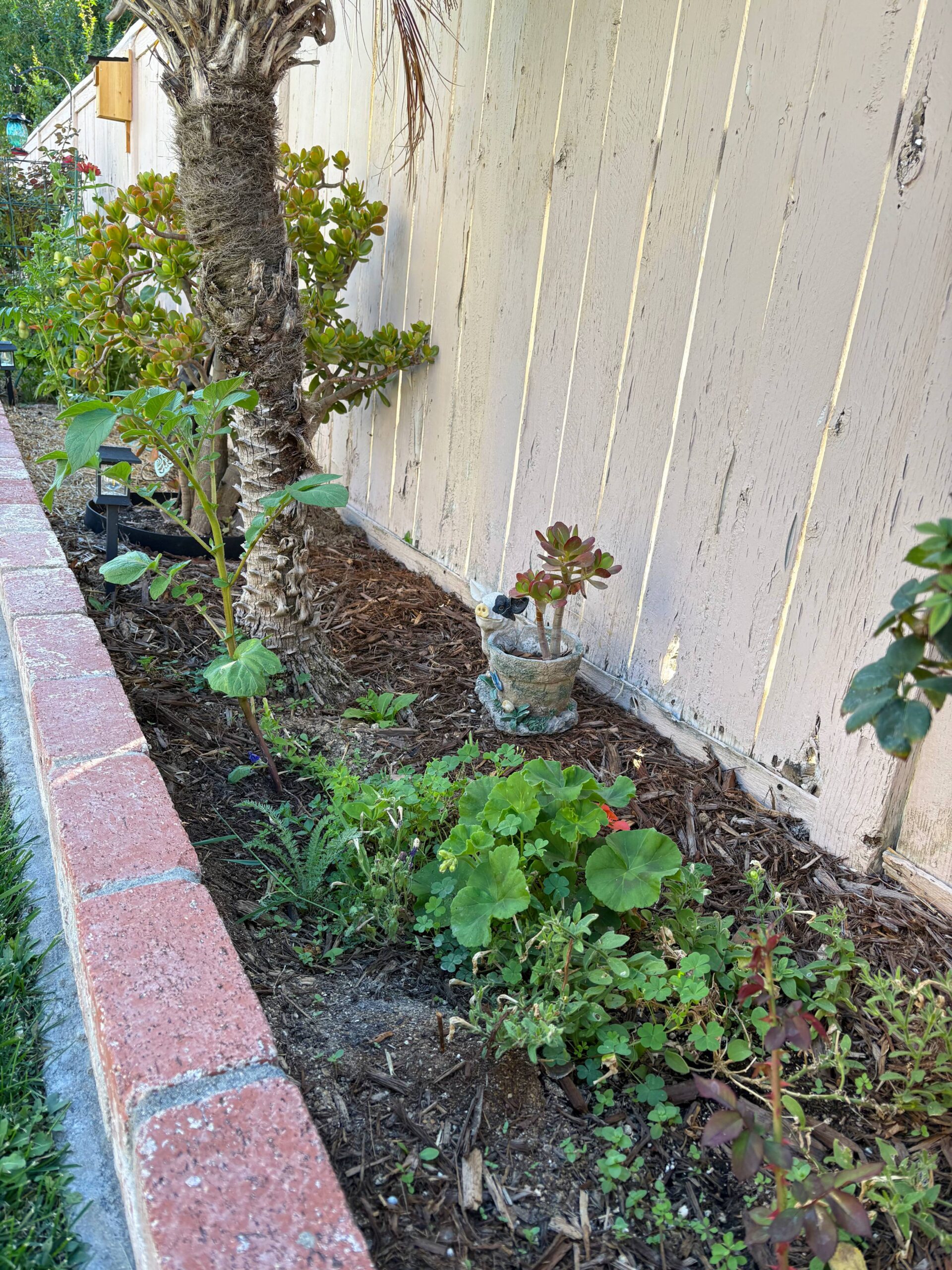
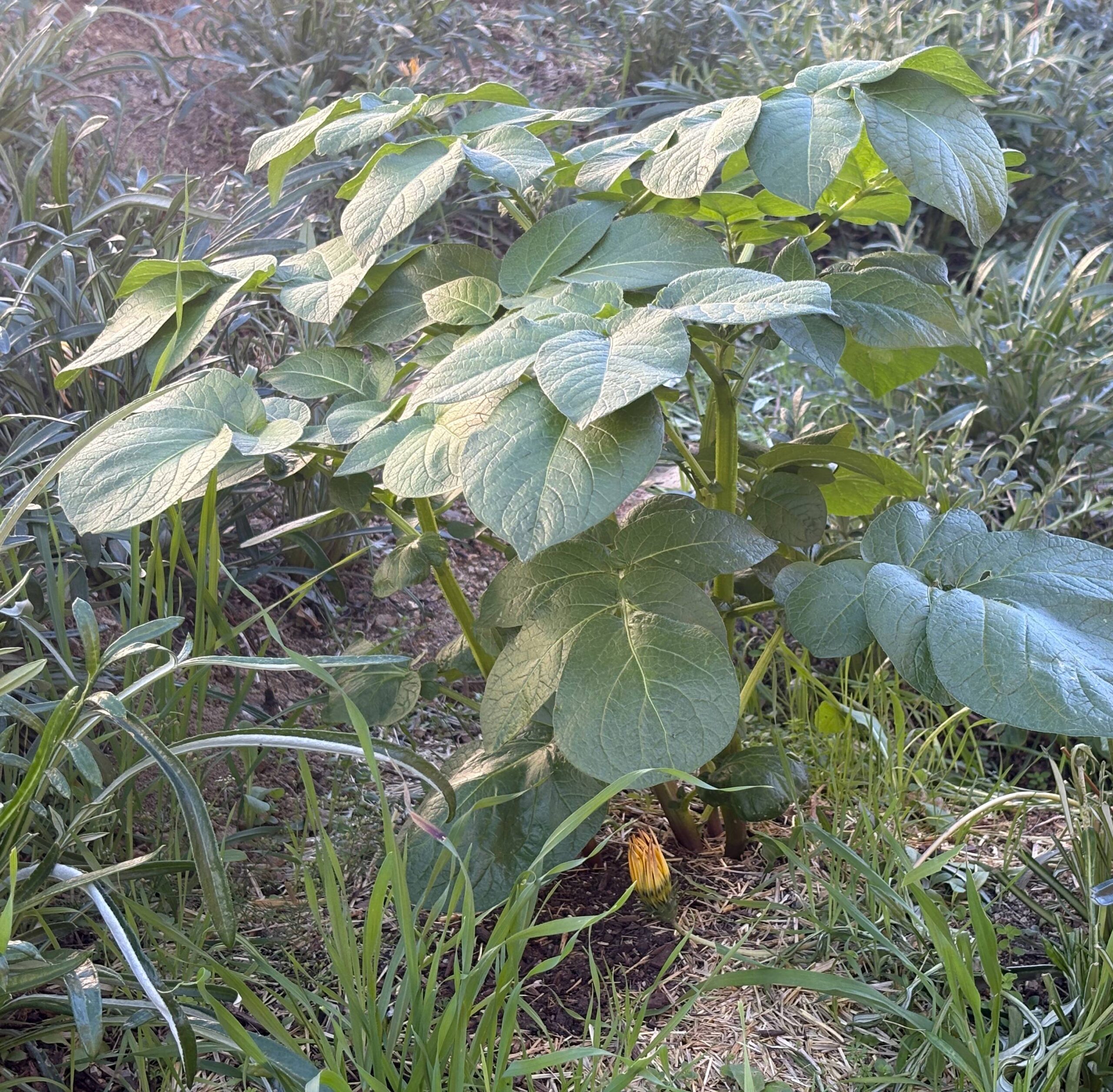
Transplants struggled. A dahlia from a one-gallon pot sat for months without growing, repeatedly drying out and nearly dying. Several other transplants failed completely.
When I pulled dead plants, the roots told the story. They hadn’t grown into the surrounding soil. There was no obvious rot or pest damage.
The plants simply never established.
In Containers
The first plants we grew were nursery starts: tomatoes, onions, and lettuce. We put them in a rolling cart filled with raised bed mix.
These mixes contain a lot of partially composted wood products. I didn’t know much, but I did enough reading to sift out larger wood pieces and use them as mulch.
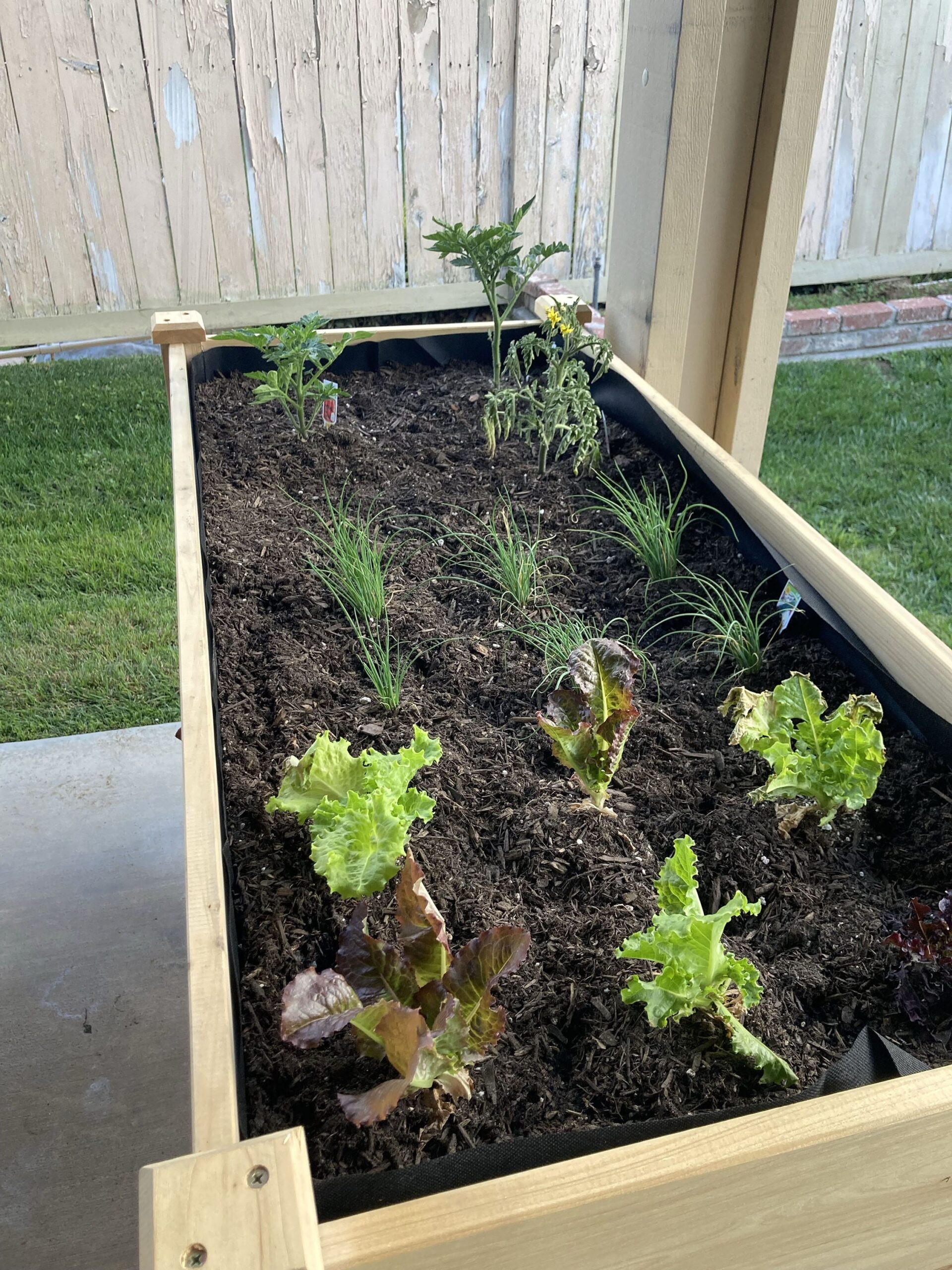
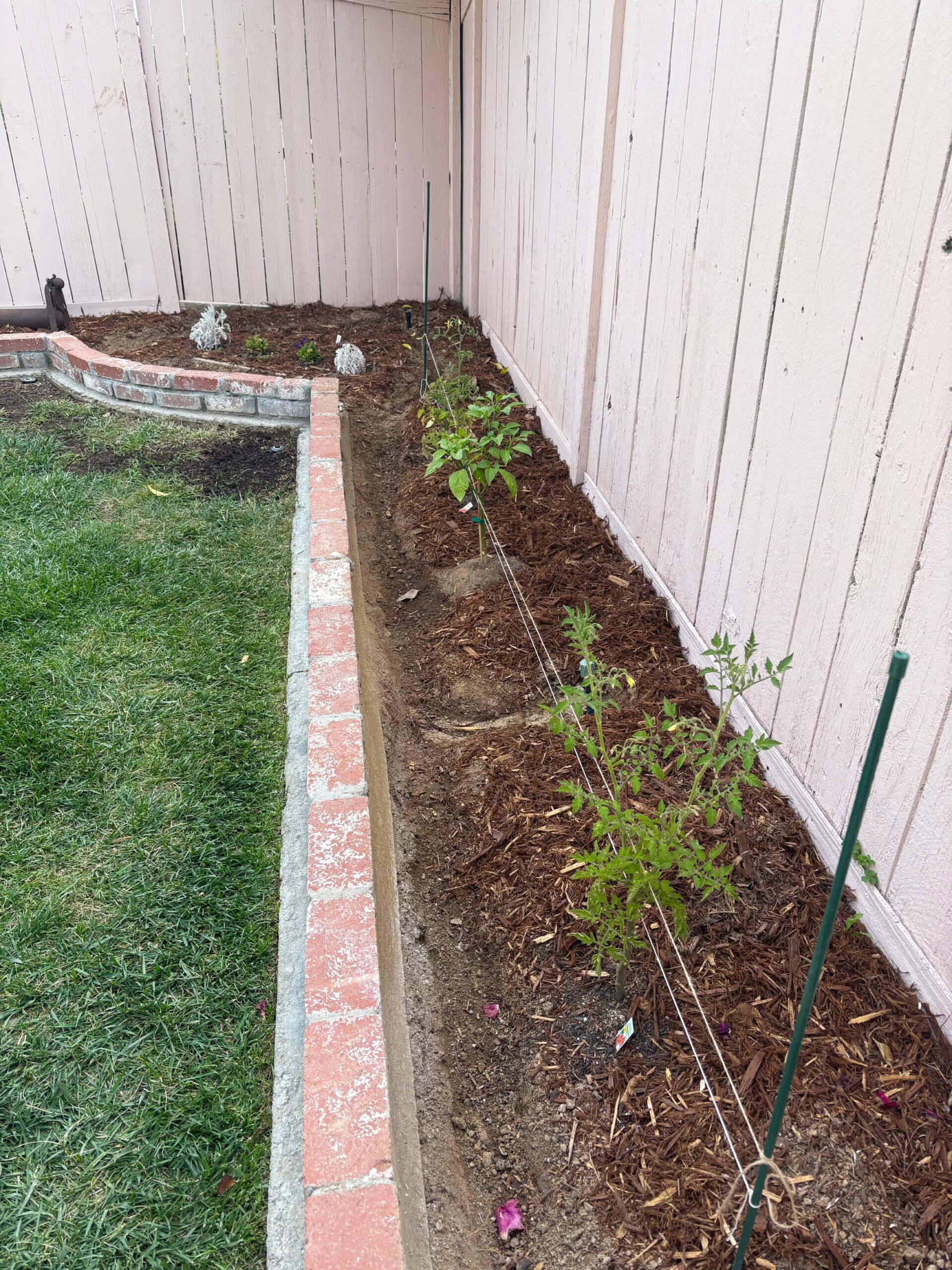
Looking back at photos, the soil was exactly as I remember it: woody and fluffy.
The lettuce bolted quickly. The onions faded. The tomatoes survived.
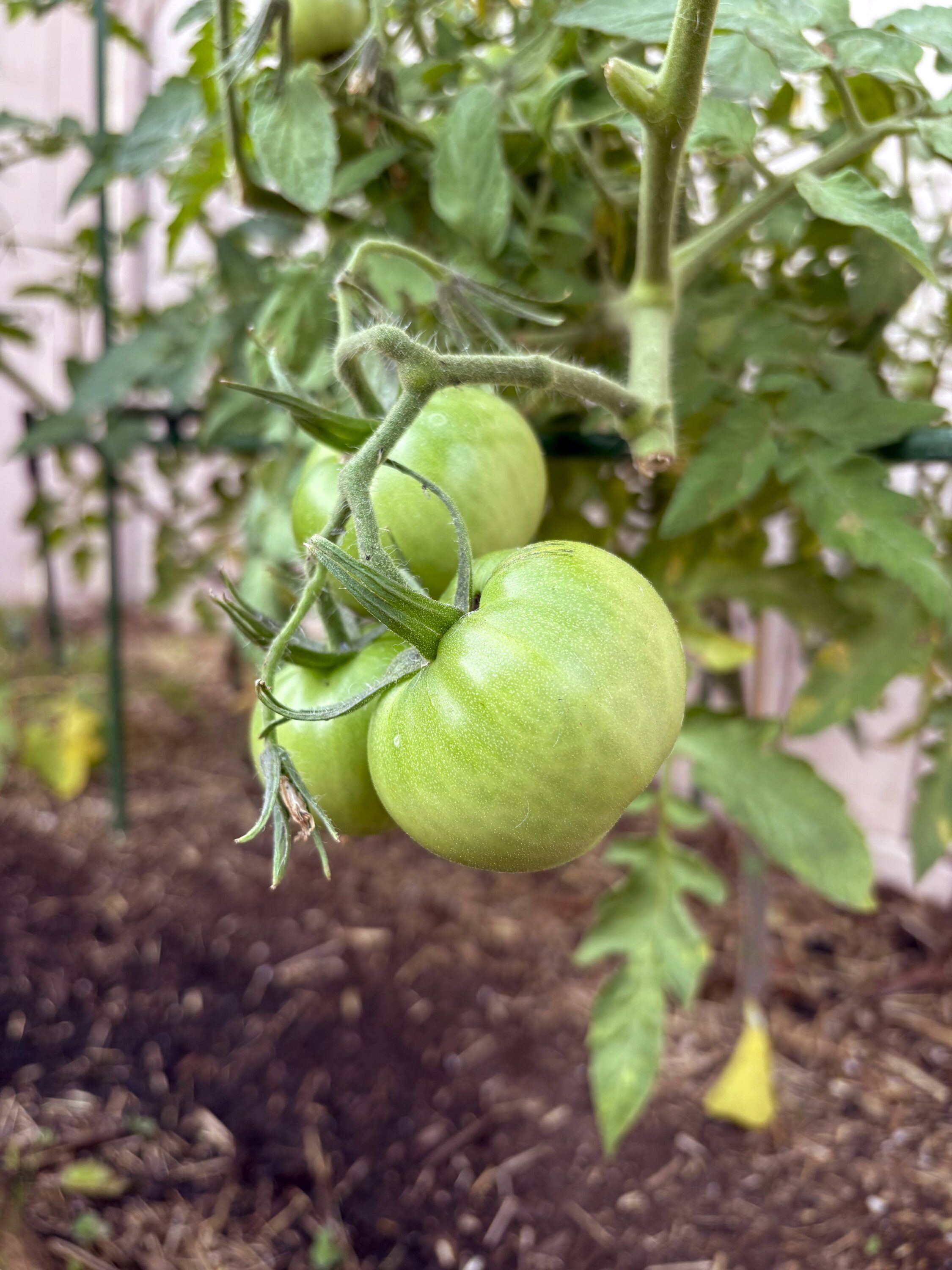
I later transplanted the tomatoes into the ground, where they all produced fruit. The roma and champion tomatoes stayed small and tasted flat. The cherry tomato, planted in the sunniest spot and being indeterminate, grew far larger and is still producing decent-tasting fruit in December.
The Biggest Mistakes I Made
Once patterns emerged, I knew I was making mistakes. The next step was to identify and understand them. Here are 6 kinds of mistakes I made:
- Poor tracking of inputs
- Crowded planting
- Ill-prepared soil
- Poor plant location choices
- Inconsistent watering
- Bad timing on starts and transplants
How I Identified Mistakes
With very little experience, identifying mistakes isn’t straightforward. Outside judgment helps, but I didn’t have a network yet.
So I built one.
YouTube
I searched for specific problems: “dahlia transplant not growing”, “tomato leaves curling”. I watched multiple sources and looked for overlap.
Credibility signals mattered:
- Gardeners showing real gardens, not just advice
- Willingness to show failure and correction
- Engaged, human comment sections
- Dense information over influencer language
Patterns emerged. Those patterns generalized.
ChatGPT
ChatGPT became another tool. I understand its strengths and limits. It’s good at summarizing consensus and organizing ideas. It’s bad at knowing when it’s wrong.
I used it to ask questions like:
- What do experienced tomato growers agree on for fertilizing frequency?
- How do pumice and perlite differ in containers?
- What insect is this, and how urgent is it?
When something mattered, I verified it elsewhere. Just like YouTube, it was useful, but not authoritative.
Experiments and Documentation
I kept a journal and took photos. That gave me:
- A visual timeline
- Written memory instead of guesswork
- Comparisons across locations and containers
Experiments were simple. Same seed. Different spots. Record results.
How Conditions Turned Into Systems
Over time, it became clear that the failures weren’t random. They followed patterns. When I lined up the starting conditions, the assumptions I brought with me, and the changes I made, the systems showed themselves.
Seeing those relationships side by side mattered more than any single insight.
| Environment + Early Results | Mistake or Assumption | Action Taken |
| Sandy soil dried quickly and plants stalled | Assumed native soil would behave like potting mix | Prepped planting areas, mulched heavily, mixed native soil with compost |
| Daily overhead watering led to uneven moisture | Treated frequency as more important than depth | Switched to deeper, less frequent watering and targeted water at plant bases |
| Transplants failed to establish and repeatedly dried out | Planted into unprepared soil and expected roots to adapt | Dug wider planting holes, watered during planting, firmed soil to remove air gaps |
| Roots stayed confined to the original root ball | Didn’t account for time needed for root establishment | Focused early watering close to stems to support outward root growth |
| Containers dried fast and plants stressed easily | Used mixes that drained well but retained too little moisture | Adjusted mixes, mulched containers, and changed watering strategy |
| Crowded plants showed weak growth and disease | Underestimated spacing, especially in grow bags | Increased spacing and treated layout as part of plant health |
| Yield and flavor varied dramatically by location | Assumed soil amendments were the main driver | Recognized light and placement as primary constraints |
Looking at this all at once changed how I thought about the garden. The problems weren’t about individual plants. They were about environment, assumptions, and timing.
Once those were corrected, improvements didn’t come from adding more inputs. They came from restraint. Better placement, and fewer changes at once. Letting systems do the work.
That shift made the rest of the season easier to understand, and gave me the confidence to prepare and plan for future seasons.
Biggest Benefits of Gardening
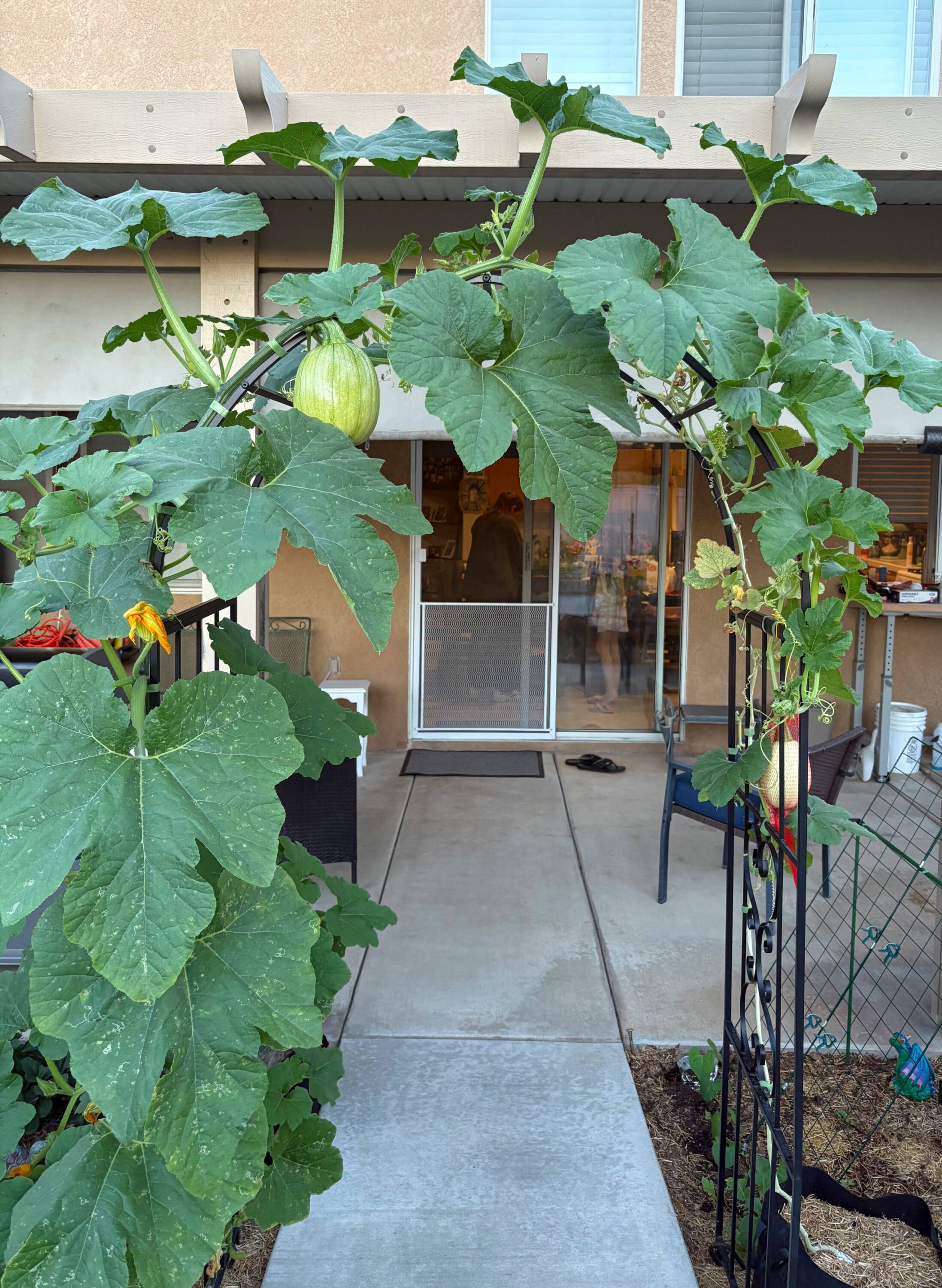
This project improved my health. Sun. Air. Movement.
After years at a desk, that matters.
It also gave me a different kind of work. Growing plants led to fixing irrigation, installing plumbing, painting, and learning how systems connect.
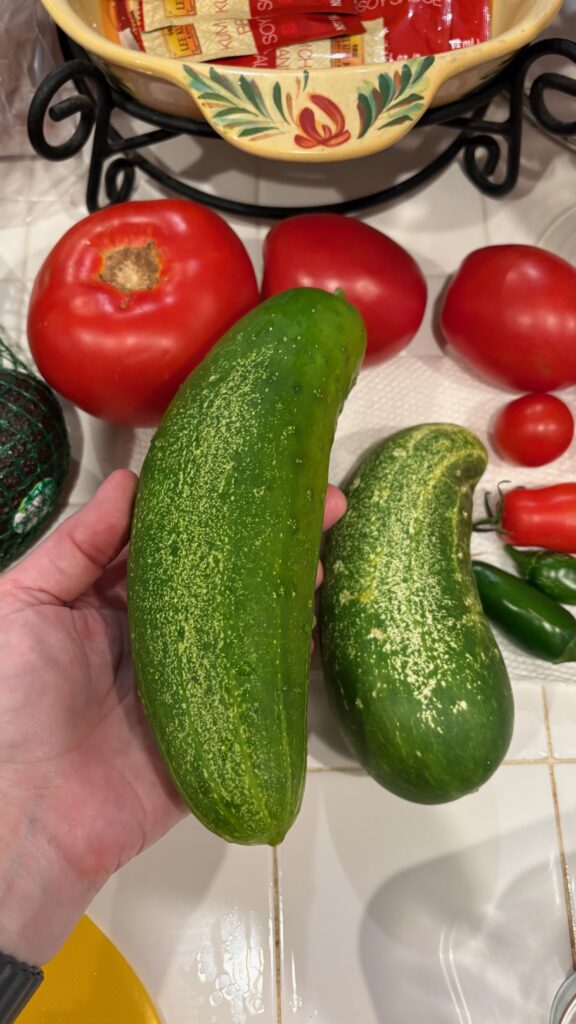
My family saw and got to participate in a proof of concept for growing some food. Not self-sufficiency. But understanding, and small wins.
Summing Up
I didn’t know going in if gardening would stick. A lot of things didn’t work. Some plants grew well. Many didn’t. Some vegetables tasted good. Others weren’t worth repeating. None of that made me want to stop.
What kept me engaged was the feedback loop. When something failed, the reason was usually traceable to light, water, space, timing, or a decision I could adjust next time. That made the work feel solvable instead of random.
Gardening with the intent to understand why and how things work is an accessible pursuit. You can get a plant to grow without much effort. Getting consistent, repeatable results takes attention and restraint. That balance makes it interesting.
The biggest takeaway from year one is this: plants die, but systems remain. If the systems improve, the results follow. That’s enough to keep me planting again next season.
A special thanks is in order to Bryon and Maria, who supported this gardening effort. We built this garden in their back yard, with their blessing, and mostly with materials they supplied. I hope, and believe they have, enjoyed seeing their garden grow. Thank you Bryon and Maria for all of your support and encouragement.